

Protecting a vineyard or orchard against intrusions is essential to ensure optimal production and preserve crop quality. Fences play a key role in protecting plantings from wild animals, human intrusion, and adverse weather conditions. Choosing an effective fence depends on several criteria, including the type of crops, the threats specific to the region, and environmental constraints.

Identify the specific needs of your vineyard or orchard
Before installing a fence, it is important to analyse the risks your operation faces. In rural areas, wild boar and roe deer can cause significant damage by breaking young plants or trampling fruit. In other cases, rabbits or rodents are the issue, requiring suitable solutions.
Assessing the terrain is also crucial. A sloping orchard or a vineyard on loose soil may require a specific fence to ensure long-lasting stability. Finally, local regulatory constraints should be taken into account, as some regions impose restrictions on the height or type of fences permitted.
Choose suitable materials
The fence material largely determines its effectiveness and durability. Wood, for example, offers a natural look and blends perfectly into the landscape, but it may require regular maintenance, especially in damp areas. Metal, in the form of mesh or panels, is a robust and durable option, particularly suited to areas exposed to heavy pressure from game.
For operations exposed to wind, open-slat wooden fences or perforated materials help reduce wind load while still providing effective protection. In addition, electric fences, although they require a power source, are highly effective against wild animals while keeping maintenance costs to a minimum.
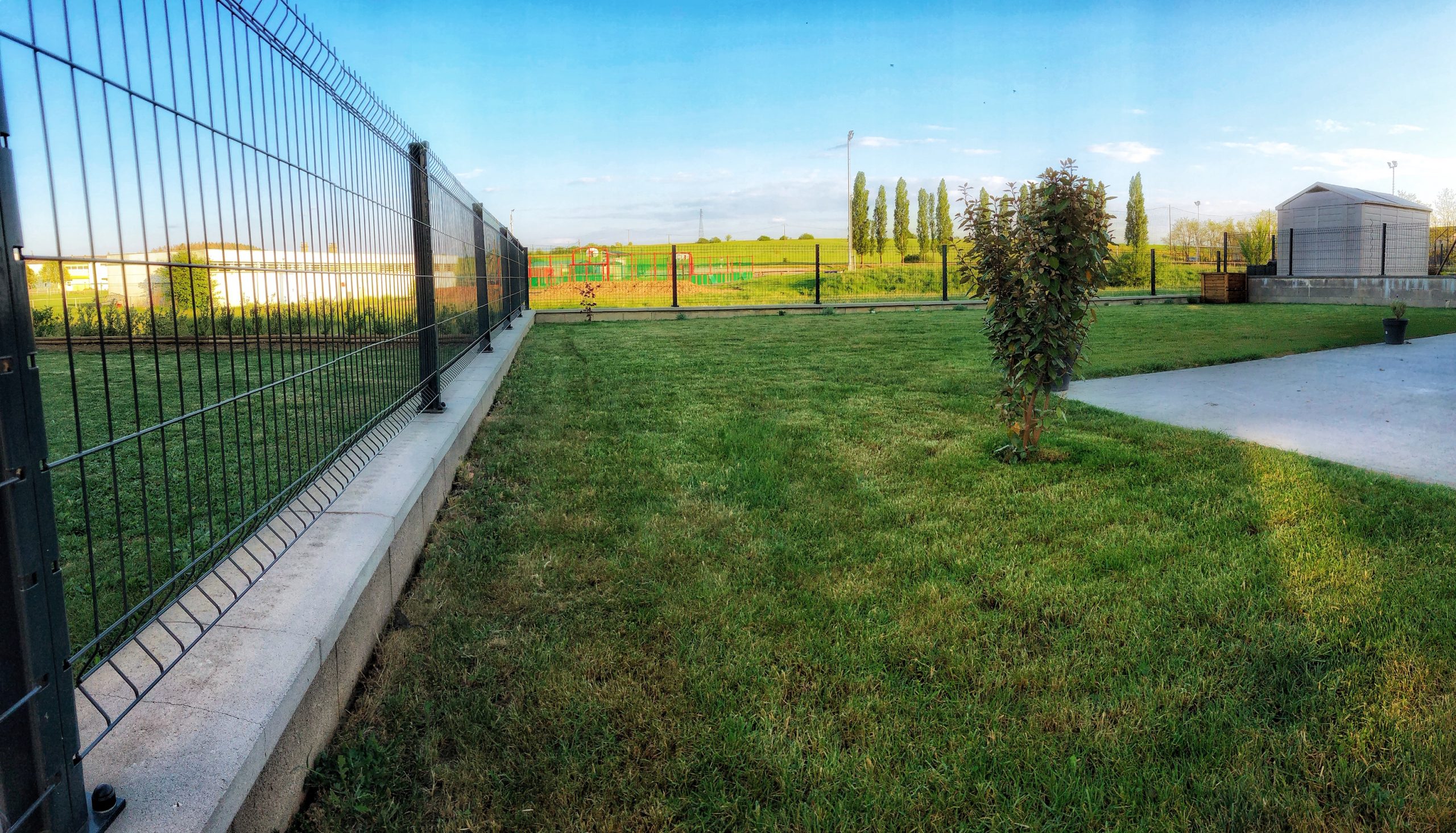
Install a fence suited to the specifics of the terrain
Fence installation must take the terrain’s characteristics into account. On sloping ground, it is essential to ensure the fence is securely anchored to avoid any risk of tipping. In sandy or rocky areas, reinforced foundations may be necessary.
Burying the fence is another key factor, particularly to prevent wild boar or rodents from getting through by digging under the barrier. A professional installation, well planned and carried out with care, ensures optimal protection and reduces the risk of premature deterioration.
Consider aesthetics and maintenance
Beyond its functionality, the fence must also respect the aesthetics of the operation. A fence that blends well into the landscape enhances the whole property and can even increase its appeal, especially for vineyards open to the public.
Regular maintenance is essential to ensure the fence lasts. Periodic cleaning, repairing damaged sections, and preventive treatment against rust or pests help keep the fence in perfect condition.
Fencing a vineyard or orchard effectively requires a considered approach that takes into account specific needs, the choice of materials, and an installation suited to the terrain. A well-designed fence not only protects crops, but also helps enhance the value of the farm.
Dans le même thème

Expert in fencing, gates, and outdoor landscaping since 2019.
Holds a Master’s degree in Digital Marketing – SEO, UX/UI.
View LinkedIn profile


