

Choosing the material for your garden gate and pedestrian gate is an important decision that will impact the aesthetics, durability, and maintenance of your outdoor space. Several options are available to you, each with specific advantages and disadvantages. Let’s explore the main materials used to manufacture garden gates and the criteria to consider when making the right choice.

Wood: a noble and warm material
Wood is a traditional material that brings a natural and warm touch to your garden. It comes in a wide variety of species, each offering different characteristics in terms of color, texture, and weather resistance. Exotic woods such as teak or ipe are particularly valued for their durability and resistance to external elements.
However, wood requires regular maintenance to preserve its aesthetic appearance. It must be protected from UV rays, insects, and moisture using stains or special paints. Furthermore, wood is a living material that can crack or warp over time.
Aluminum: lightweight, durable, and customizable
Aluminum is an increasingly popular material for manufacturing garden gates. It is lightweight, corrosion-resistant, and requires very little maintenance. Aluminum pedestrian gates are available in a wide range of colors and finishes, allowing you to customize your gate according to your taste and your home’s aesthetics.
Additionally, aluminum is a recyclable material, making it an eco-friendly choice. However, aluminum can scratch more easily than some other materials, such as wrought iron.
PVC: economical and easy to maintain
PVC is a synthetic material highly valued for its excellent value for money. It is resistant to weather, corrosion, and impact. PVC is also very easy to maintain; a simple cleaning with soapy water is enough to keep it in good condition.
However, PVC is less aesthetic than wood or aluminum and can yellow over time. Additionally, it is less resistant to extreme temperatures and can warp under the effect of the sun.
Wrought iron: an elegant and durable material
Wrought iron is a noble material that gives an elegant and refined look to your garden. It is very durable and offers excellent security. Wrought iron can be worked in a very artistic way, allowing for the creation of unique and personalized gates.
However, wrought iron is a heavy material and difficult to install. It also requires regular maintenance to prevent rust.
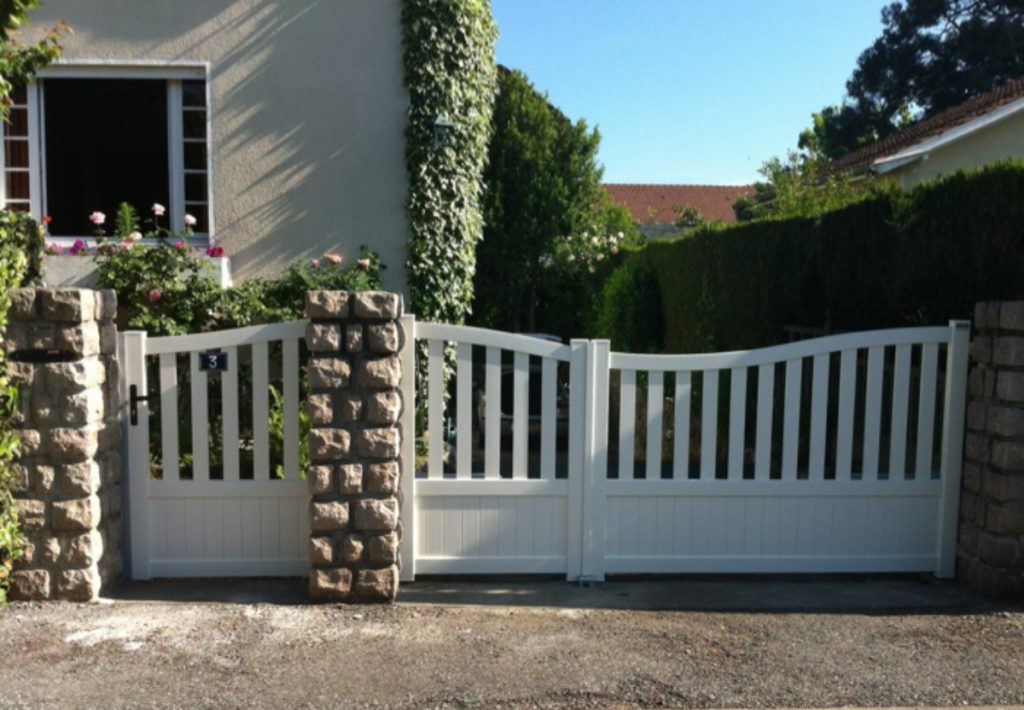
What criteria should be considered when choosing a pedestrian gate?
The choice of material for your gate will depend on several criteria:
Budget
PVC is generally the least expensive material, while wrought iron is the most costly.
Aesthetics
Galvanized steel pedestrian gates offer a more traditional look, while aluminum and PVC are more modern.
Maintenance
PVC and aluminum require little maintenance, while wood and wrought iron demand more attention.
Security
Wrought iron is the most secure material.
Durability
Exotic woods, aluminum, and PVC are the most durable materials.
By taking these various criteria into account, you can choose the material that best suits your needs and budget. Do not hesitate to seek advice from a professional to help you make the right choice.
Choosing the material for your garden gate is an important decision that will impact the aesthetics, durability, and maintenance of your outdoor space. Each material has specific advantages and disadvantages. By carefully weighing the pros and cons of each option, you can choose the gate that will provide you with complete satisfaction.
Dans le même thème

Expert in fencing, gates, and outdoor landscaping since 2019.
Holds a Master’s degree in Digital Marketing – SEO, UX/UI.
View LinkedIn profile


