

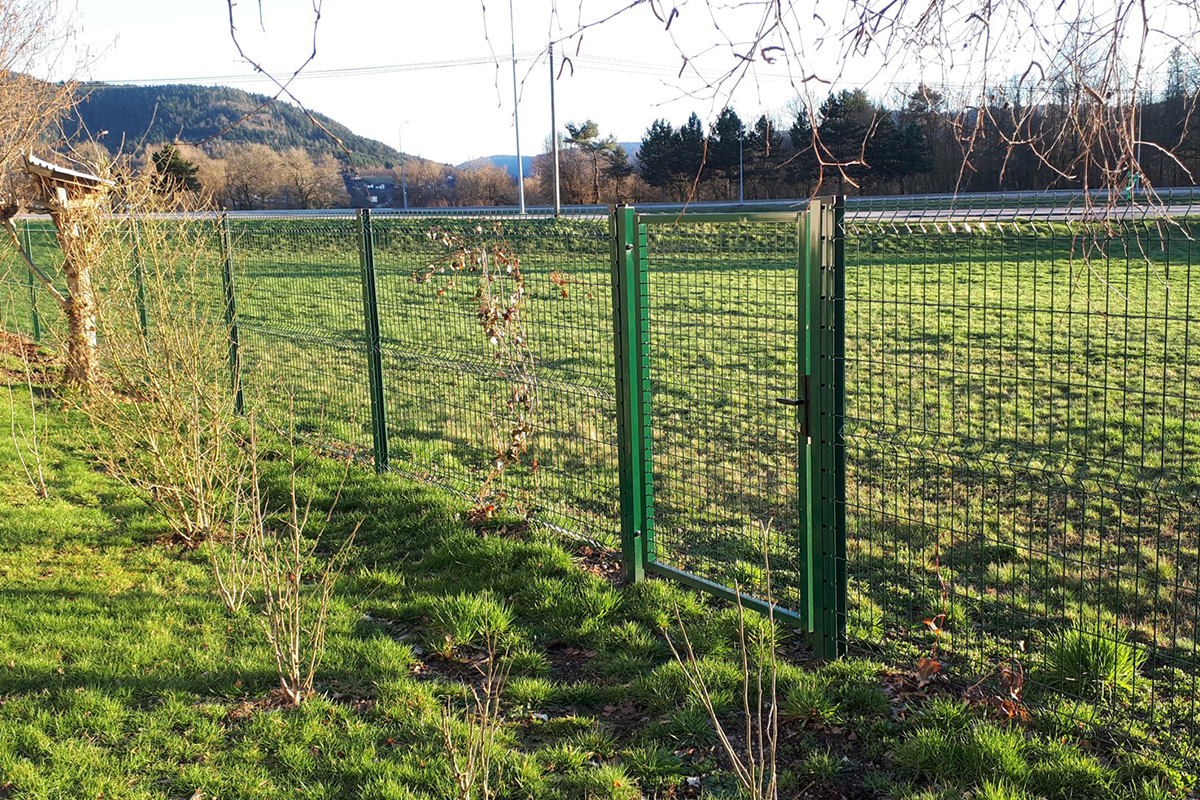
The gate, traditionally constructed from inert materials such as wood, wrought iron, or aluminum, is evolving toward a more natural and living aesthetic. The green gate, a true work of vegetal art, is emerging as an elegant and ecological alternative, bringing a touch of freshness from the very entrance to your property.
Imagine a gate where nature invites itself in and unfolds as a cascade of greenery. The green gate is this invitation to reverie, this living tableau that evolves with the seasons. It is no longer simply an opening, but a genuine decorative element that integrates harmoniously into your garden.
A Warm and Welcoming Atmosphere
The advantages of a green gate are numerous. It brings a touch of greenery and freshness to your garden, creating a warm and welcoming atmosphere. The dense and colorful foliage of climbing plants creates a soothing and inviting visual effect. By harmonizing with the surrounding plants, the green gate becomes an integral part of your garden. It creates a smooth transition between indoors and outdoors, offering a sense of unity and continuity. Moreover, a well-established green gate provides a degree of privacy and reduces noise pollution. It thus creates a true haven of greenery that protects you from prying eyes. Finally, by promoting biodiversity and improving air quality, the green gate is an environmentally friendly solution. Climbing plants contribute to temperature regulation and CO2 absorption.
How to Create a Green Gate?
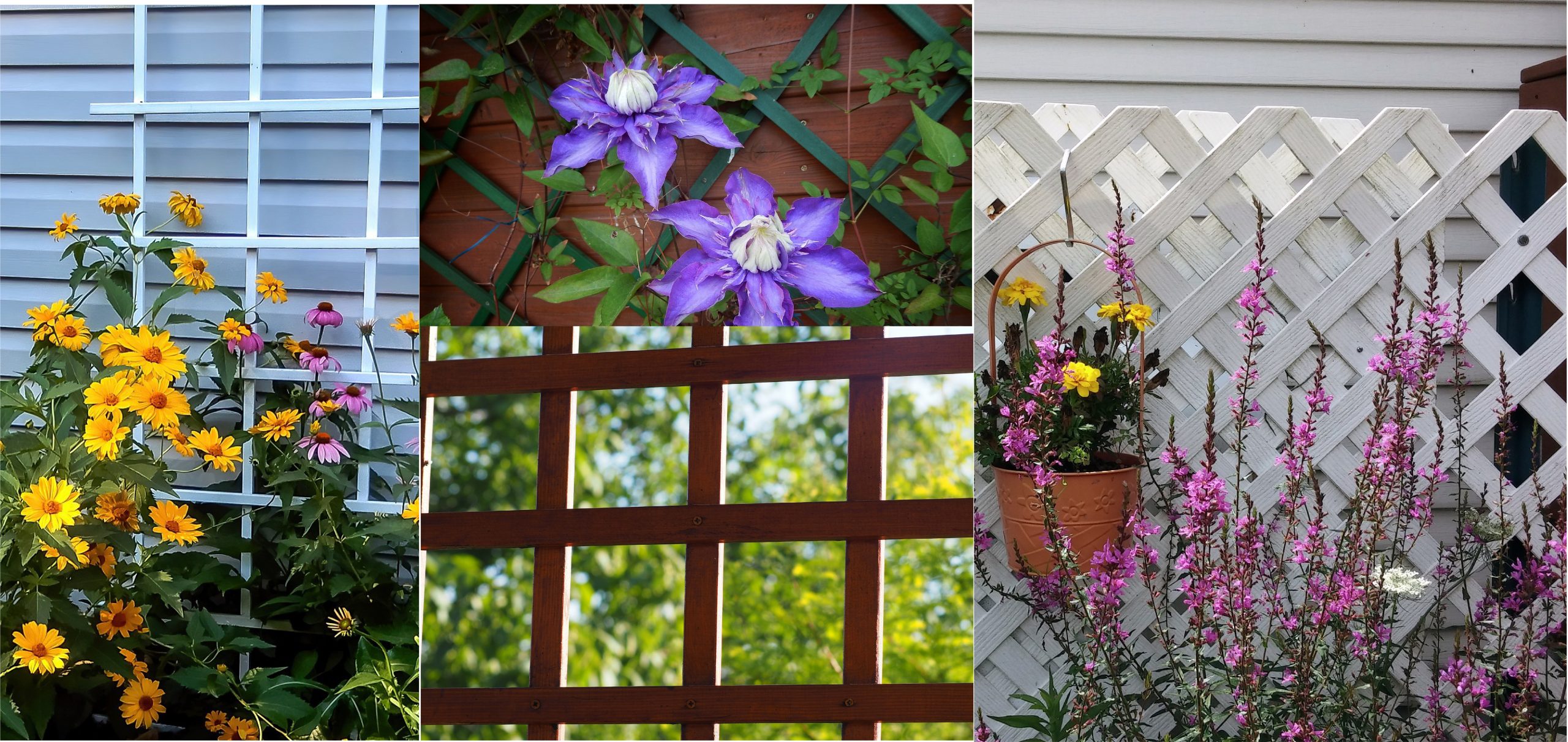
Creating a green gate requires several key steps. First, you must choose the support structure. Wood is a natural material that promotes plant growth, while metal offers a solid and durable structure. PVC, for its part, is easy to maintain but may require specific fixings for the plants.
Next comes the selection of climbing plants. You can opt for evergreen plants such as ivy, strawberry tree, or white-flowered clematis, which will provide you with a green screen year-round. If you prefer a changing effect throughout the seasons, choose deciduous plants such as wisteria, honeysuckle, or Virginia creeper. For a touch of color, climbing roses, passionflowers, or jasmine are excellent options.
Once the support is chosen and the plants selected, installation must proceed. Climbing plants should be secured to the support using stakes, wire, or specific supports. Regular watering is necessary during the first few years to encourage root establishment. Maintaining a green gate consists primarily of regular pruning to preserve its shape and density. It is also important to monitor the condition of the plants and protect them from diseases and pests.
Tips for a Successful Green Gate
For your green gate to be a success, it is important to consider a few recommendations. Guide your choice according to the climate of your region. Certain plants are better suited to specific climates. Select plants that tolerate your garden’s soil type. Plan for an automatic watering system if you go on holiday. Do not hesitate to combine different plant varieties to create a more dynamic effect.
The green gate is an original and ecological solution for enhancing your entrance. By following these recommendations, you will be able to create a unique and personalized gate that will serve you for many years.
Dans le même thème

Expert in fencing, gates, and outdoor landscaping since 2019.
Holds a Master’s degree in Digital Marketing – SEO, UX/UI.
View LinkedIn profile


