
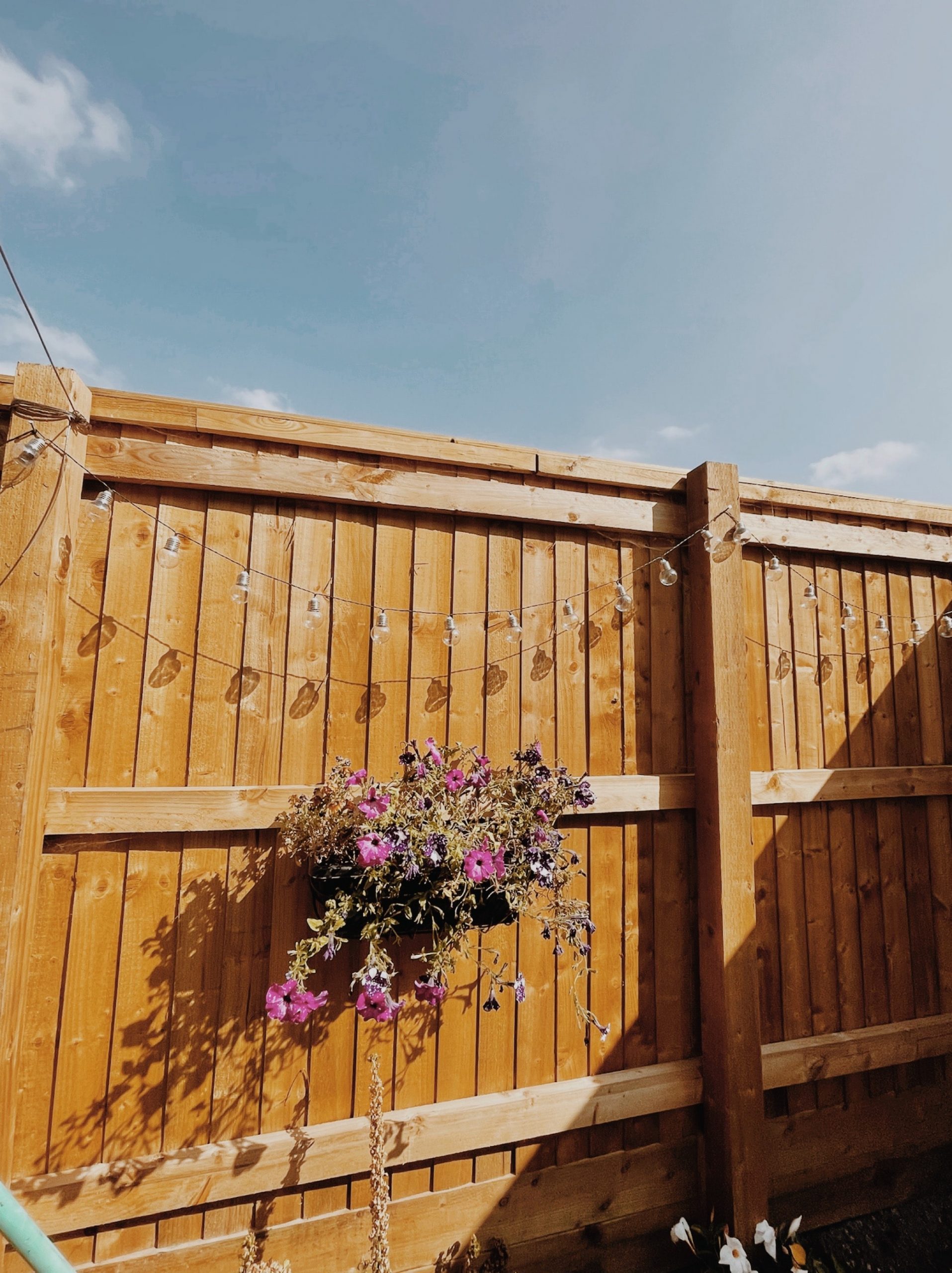
Defining your property with a wooden fence is a practical and aesthetic solution for a garden, vegetable patch, or terrace. Wood is an affordable material that is easy to work with and blends naturally into the environment. Here are the steps to follow to build it yourself.
Choosing your materials and fencing style
The first step is choosing the wood, as the durability of your fence depends on it. A high-quality wood species (such as pressure-treated pine, Douglas fir, or larch) can last more than 15 years, whereas low-end wood will need to be replaced after 5 years. Check with several sawmills or DIY stores to compare options and prices. Prioritize wood that is already treated to resist moisture and insects.
Next, define the style: picket fencing (claire-voie), solid palisade (panels), ganivelle (chestnut pales), or even trellises for climbing plants.
Marking out your property and defining the height of the fence
Before digging, precisely mark out your plot to ensure you do not encroach on your neighbor’s land. To do this, consult the cadastral map, the documents from your prior declaration of works at the town hall, or rely on existing boundary markers.
Next, determine the height. For a standard boundary fence, 1.80 m is a common height. For an enclosure, 1.20 m is often sufficient, and a decorative fence may be limited to 90 cm. The depth of the holes for the posts should correspond to approximately one-third of their height above ground to ensure good stability.
Installing the fence
Start by installing the corner posts. Stretch a string line between them to mark the alignment of the fence. Use a large builder’s square to ensure the angles are perfectly straight. Mark the location of the intermediate posts (approximately every 1.50 m to 2 m), then dig the holes.
Place the posts and check their alignment and plumb with a spirit level. Seal them with quick-setting concrete and allow them to harden completely. Once the posts are securely fixed, screw on the horizontal rails (usually two or three depending on the height).
All that remains is to screw the vertical boards or slats onto the rails. Use a spacer to maintain regular spacing if you opt for a picket-style fence.
Finally, remember to treat the wood with a suitable stain or paint to protect it from the elements. Regular maintenance will guarantee the longevity of your installation.

Expert in fencing, gates, and outdoor landscaping since 2019.
Holds a Master’s degree in Digital Marketing – SEO, UX/UI.
View LinkedIn profile


