 Any questions?

-
-
Menu
-
-
-
-
-
-
-
-
-
-
-
-
-
-
Miscellaneous
-
-
-
-
-
-
-
 Configure your fence
-
-


A question about this product?
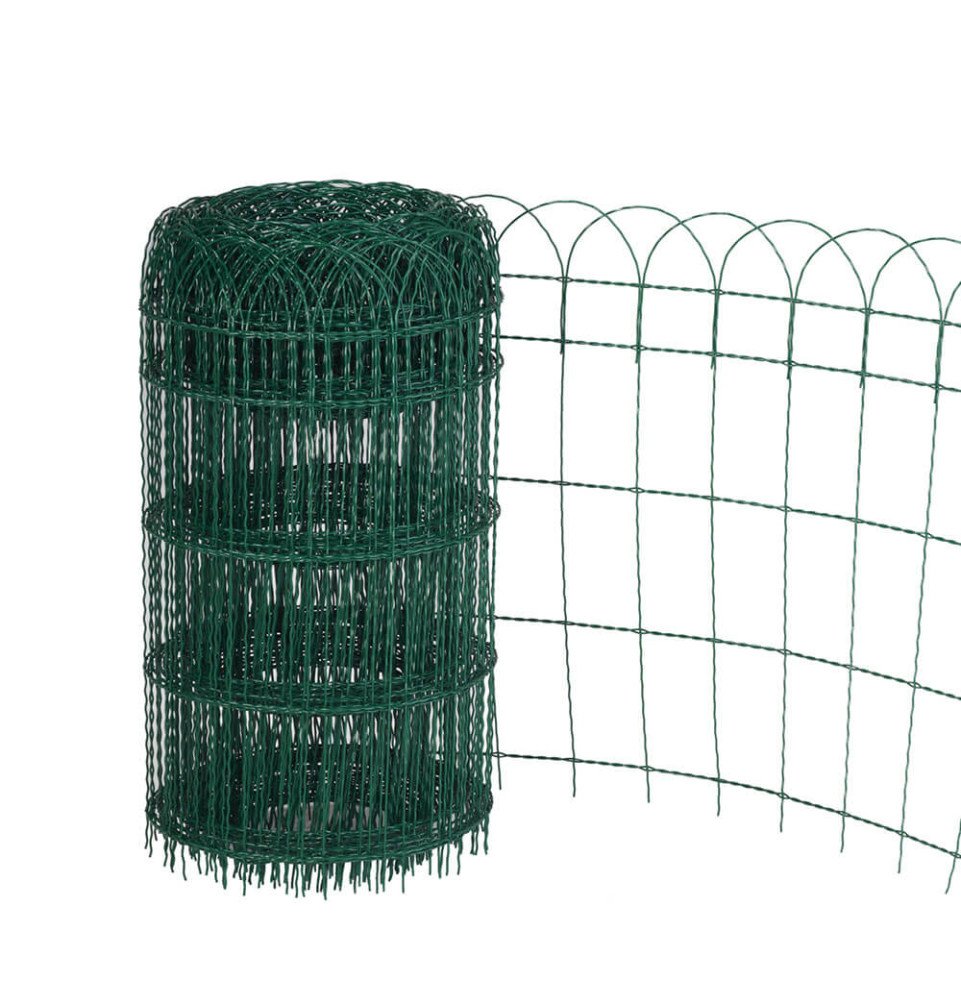
Garden Border
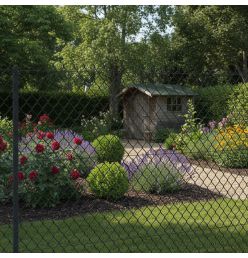
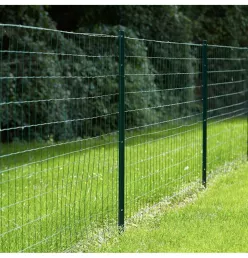
This flexible garden edging is the perfect solution for enhancing your garden, vegetable patch, or flower beds.
Whether you want to define your outdoor space, create clean borders, or simply protect your plants, this garden edging adapts to your needs.
Guaranteed cheapest product on the web
Found it cheaper elsewhere? We'll refund the difference.

Made in
France & Europe

Flexible Payment Options


10-Year
Anti-Corrosion Warranty

Home delivery
or in-store pickup
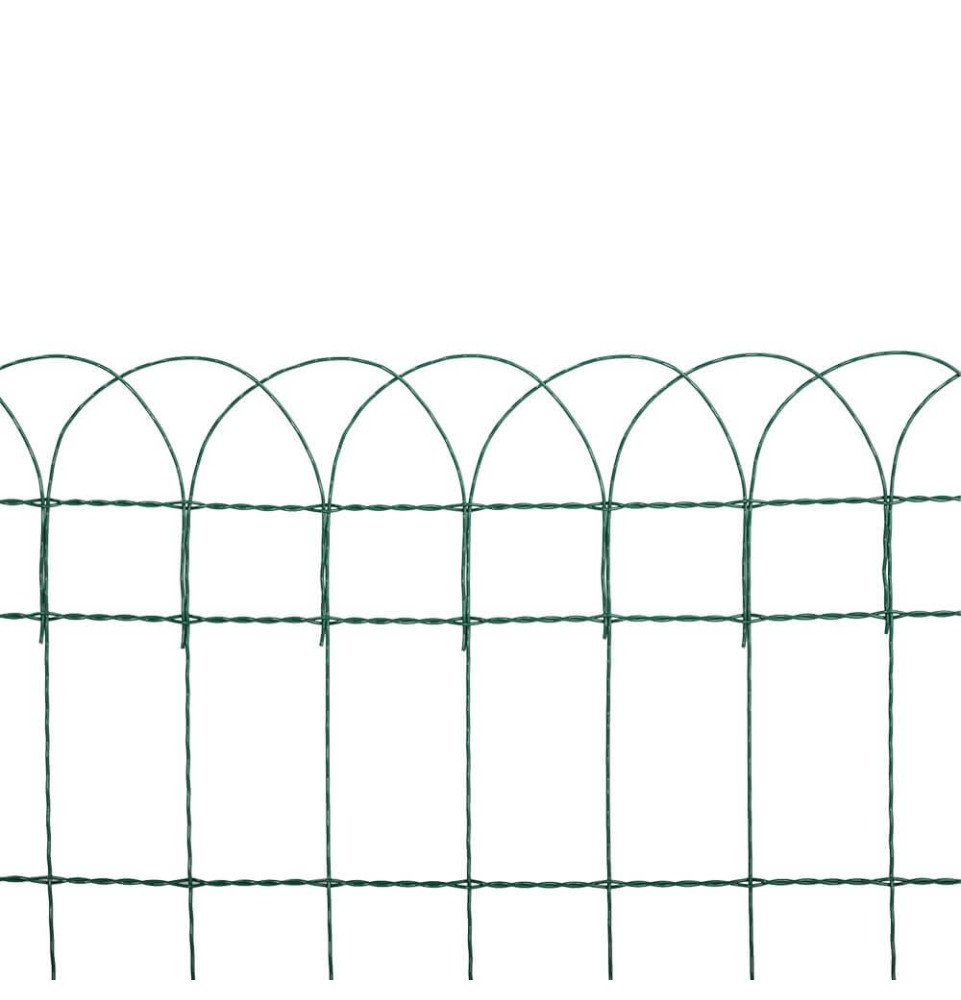
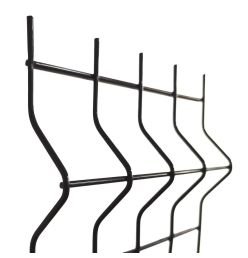
Our garden edging is a practical and attractive addition to any outdoor space. Ideal for clearly marking out areas in your garden or vegetable patch, it helps protect your plants and keeps your landscape organized and visually appealing. Inspired by classic Parisian edging with decorative arches, it brings a unique charm to your yard.
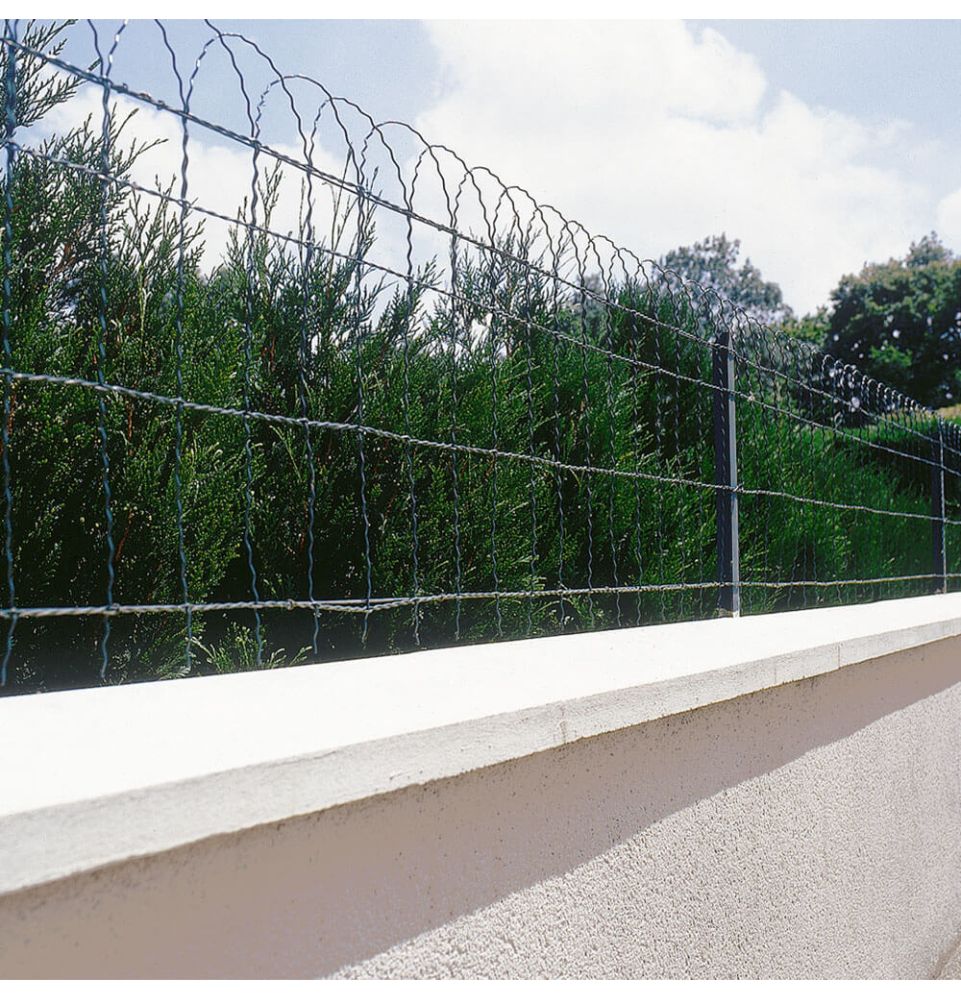
Backed by a 10-year corrosion warranty, this lawn edging is built for durability and easy installation, similar to other types of flexible mesh fencing.
Benefits of Garden Edging
- Attractive: Adds character and style to your outdoor space
- Flexible: The pliable design adapts easily to different landscape shapes
- Practical: Clearly defines your garden areas with minimal effort
Additional Information
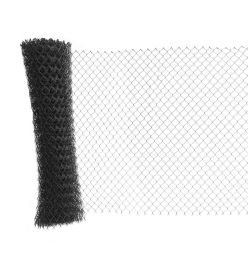
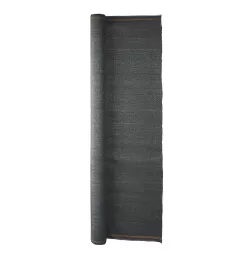
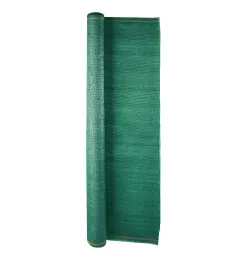
High-adhesion plastic coating over galvanized steel
How to Install Garden Edging
Before installing mesh garden edging, make sure the ground is clean and free of debris. Remove weeds, roots, and stones to create a level surface.
Next, unroll the mesh edging along the area you want to border. Ensure it follows your planned layout and that the ends are properly aligned.
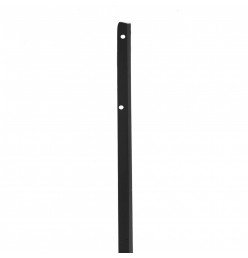
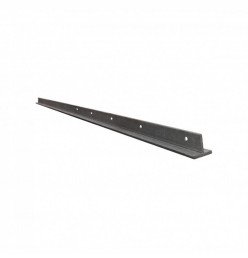
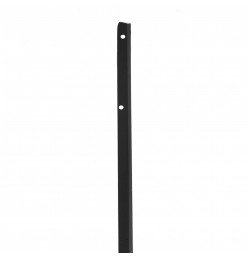
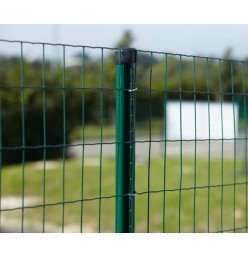
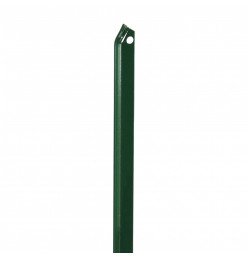
Secure the edging with T-posts spaced evenly along its length. For stability, drive the posts firmly into your lawn.
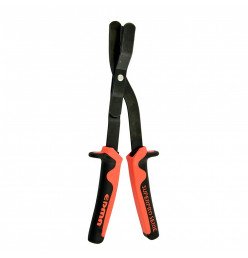
If needed, adjust the shape of the edging by bending or trimming it with suitable pliers so it fits the contours of your outdoor space.
Available colours
Green RAL 6005
Data sheet
- Mesh
- 150 x 78 mm
- Application
- Residential
- Warranty
- 10 years
When selecting garden edging, consider three main factors: the intended use (such as defining spaces, retaining soil, or adding visual appeal), your preferred material (wood, metal, natural stone, plastic, or concrete), and how easy it is to install. For curved layouts, flexible edging made of plastic or metal works best. For straight lines, you can use any rigid or flexible material.
The height of your garden border depends on how you plan to use it: For basic decorative edging, 4 to 8 inches is usually enough. If you need to hold back soil in flower beds or keep gravel from spilling onto paths, consider borders between 8 and 12 inches high. To separate different areas or build raised beds, look for options 16 inches or taller.
Start by marking out the area using stakes and string. Dig a trench about 4 to 6 inches deep along the line. Place the metal edging sections end to end in the trench, making sure the joints overlap slightly. Secure the edging by driving anchor stakes every 20 to 40 inches with a rubber mallet, then fasten the connections between sections.
Installing a garden border depends on the material you choose. For flexible plastic or metal borders, use anchoring stakes. Concrete borders are best set with mortar adhesive, while wood borders can be secured with screws and stakes. Follow the manufacturer's recommended spacing for fixings, usually between 12 and 40 inches. Once in place, backfill with compacted soil to keep the border stable.
For effectively retaining soil, it's best to use concrete or steel edging, as these materials provide strong resistance against soil pressure. Pressure-treated wood edging is also a solid choice, especially for natural-style gardens. Corten steel offers both a protective patina and a modern look, while L-shaped retaining borders deliver maximum stability.
Start by marking the desired outline using stakes and string for straight lines, or a garden hose to shape curves. Use a spade to score the ground along your outline. Dig a trench 2 to 6 inches deep, depending on the height of your border, and clear the base to create a flat, stable surface before installation.
Creating a garden border starts with careful site preparation. Remove any weeds and level the ground to provide a stable base. As a general rule, about one third of the total height of your border should be buried in the soil.
The installation method depends on the material you choose. Flexible borders can be placed directly into position, while rigid options like concrete usually require a bed of mortar. Use a straightedge or mason’s level to keep everything even.
For long-lasting outdoor landscaping, firmly tamp down the backfill soil on both sides of the border. This final step helps keep your installation stable and prevents future settling.
In the same category
Our customers also bought
Our customers also bought
Get Districlos news, deals and inspiration in your inbox!
